
Optazan®
Sertaconazole 2% Topical CreamA Dual-Action Antifungal with Anti-Inflammatory Benefits
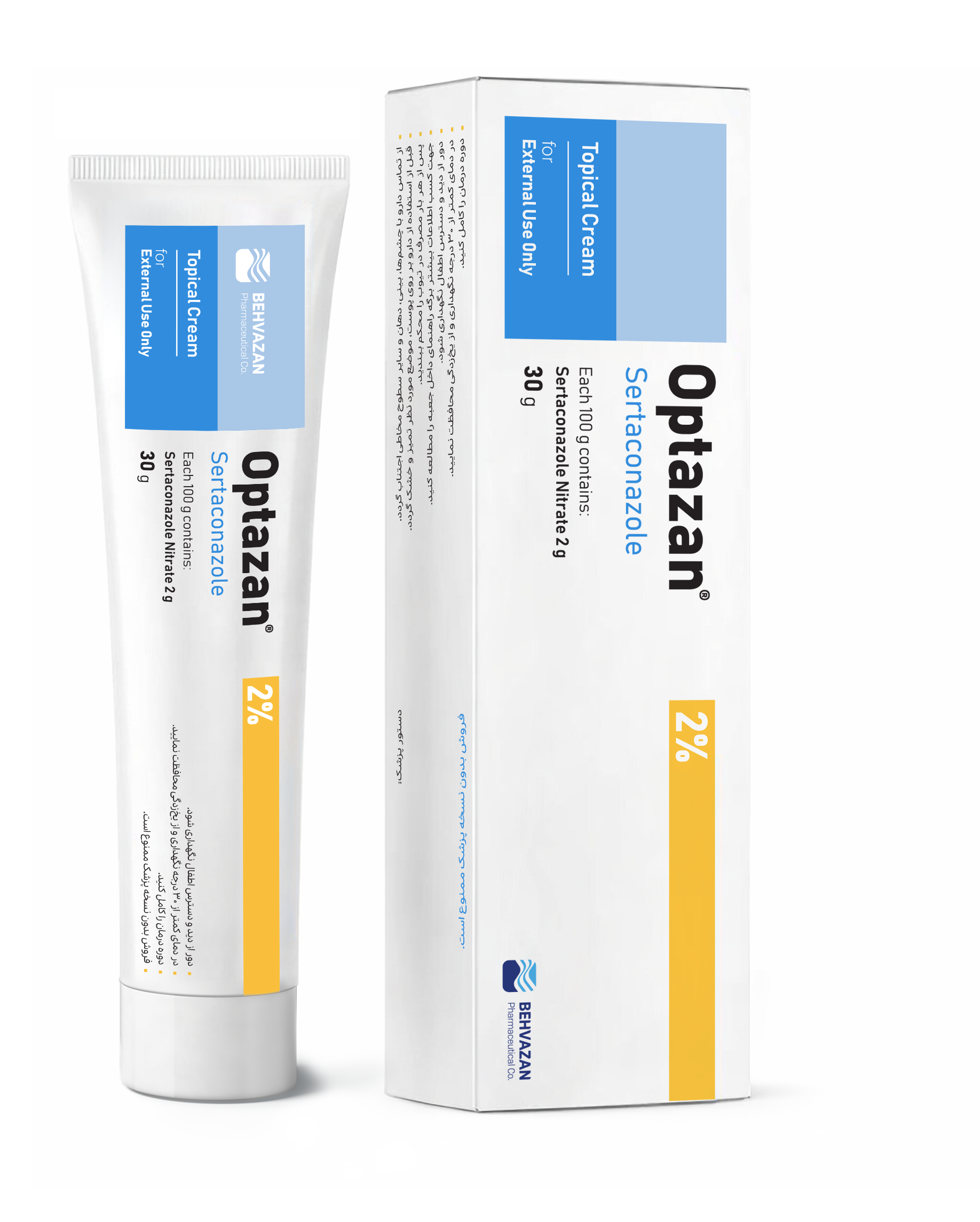
Broad-spectrum antifungal with anti-inflammatory and antibacterial properties
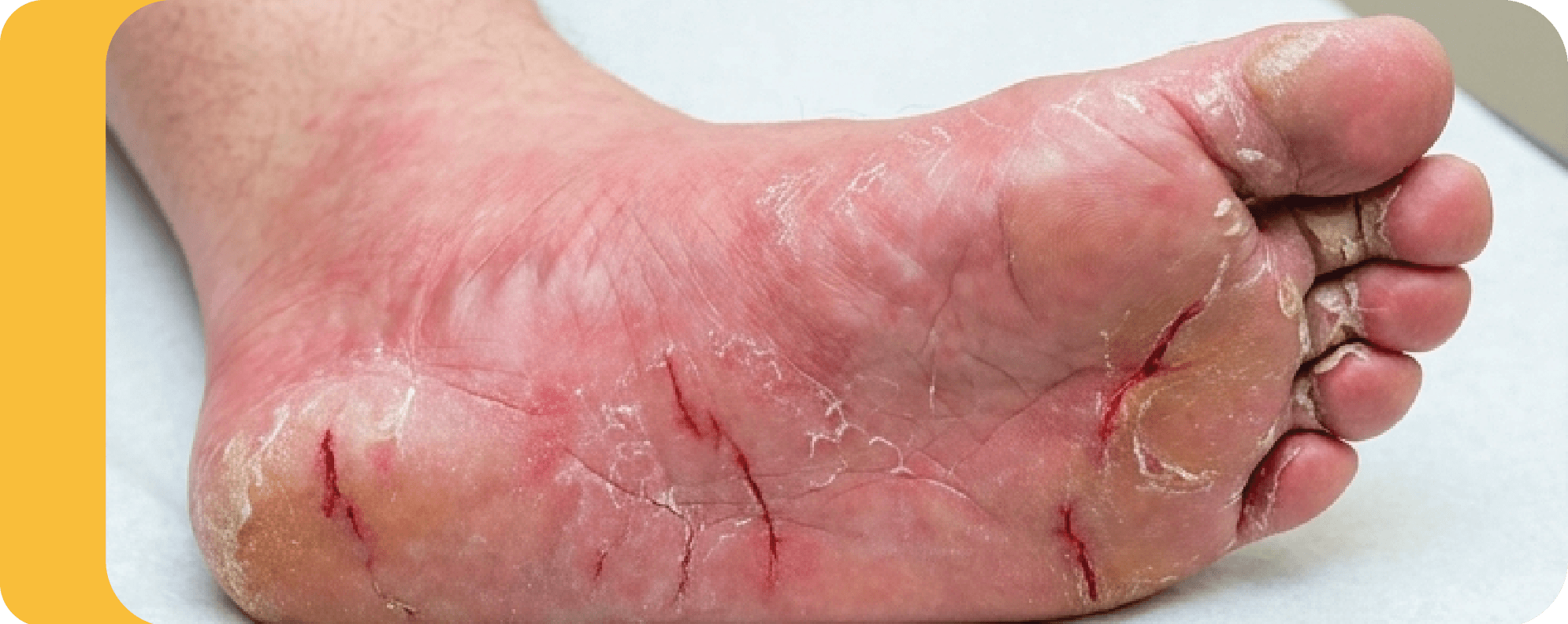
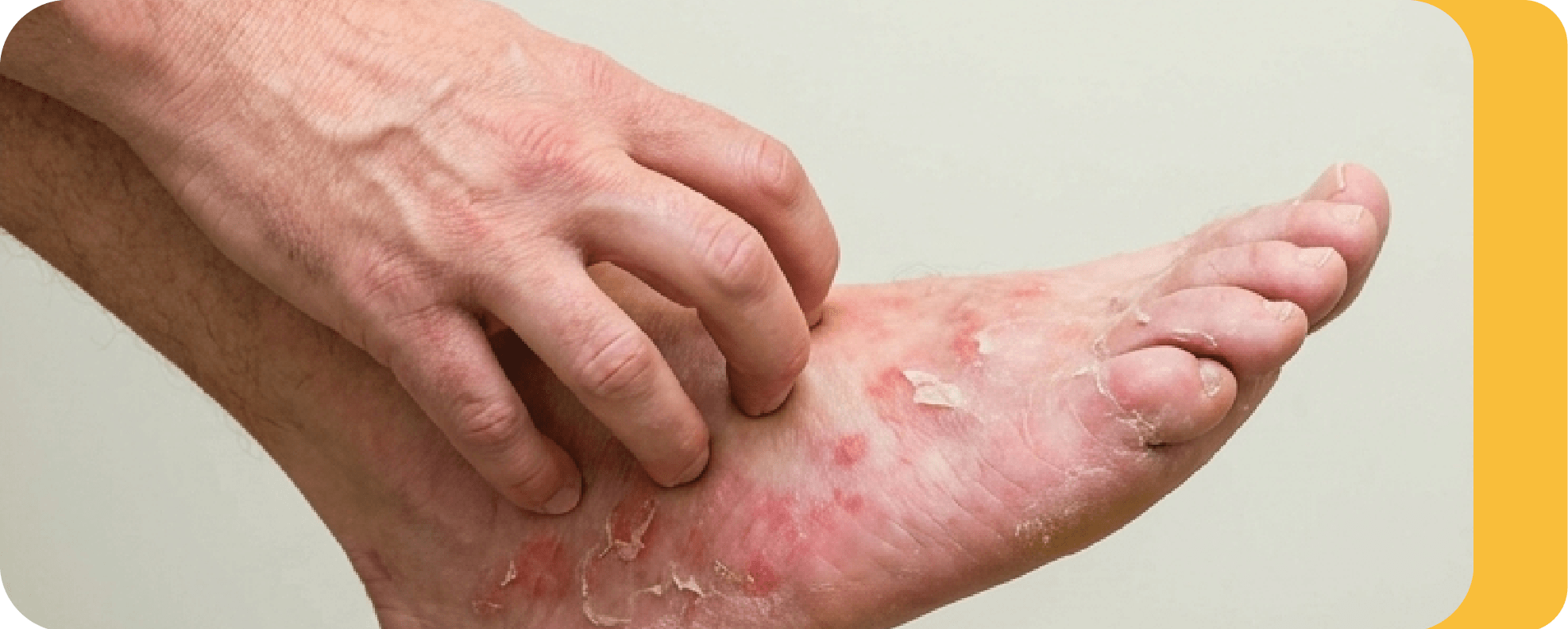
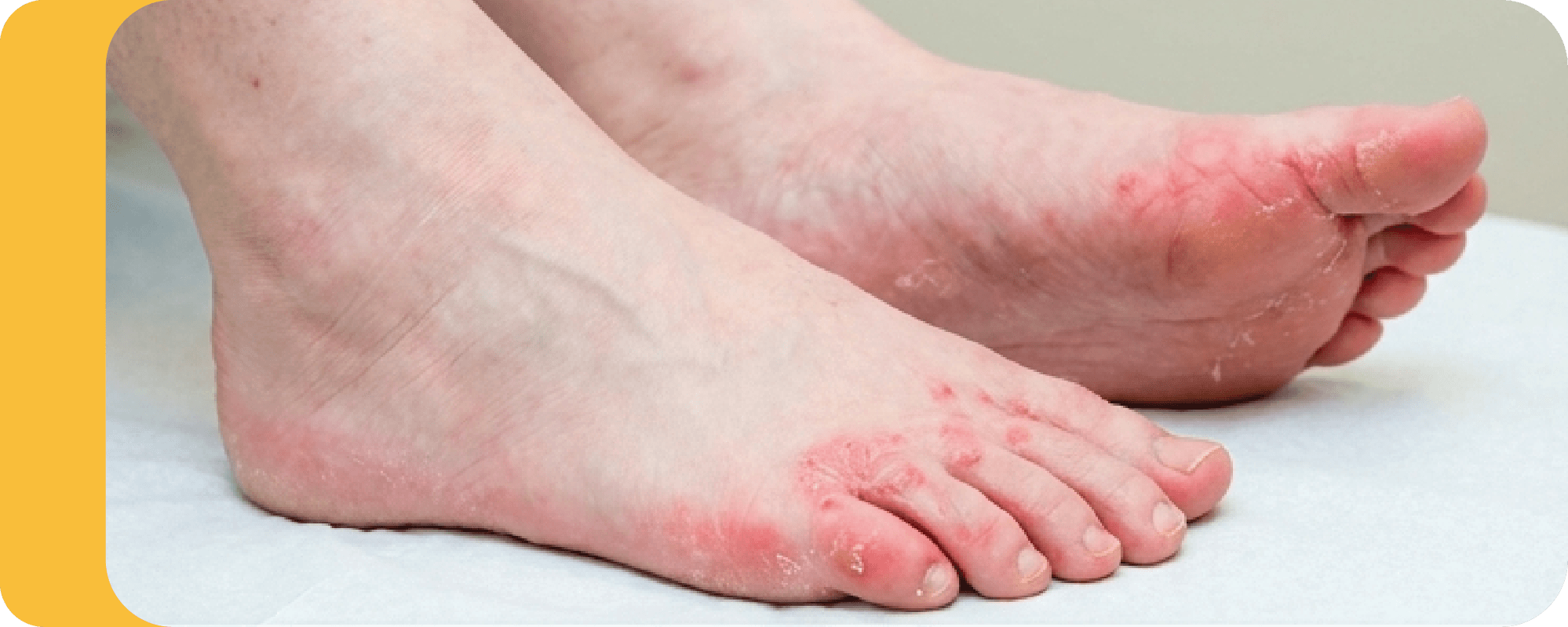
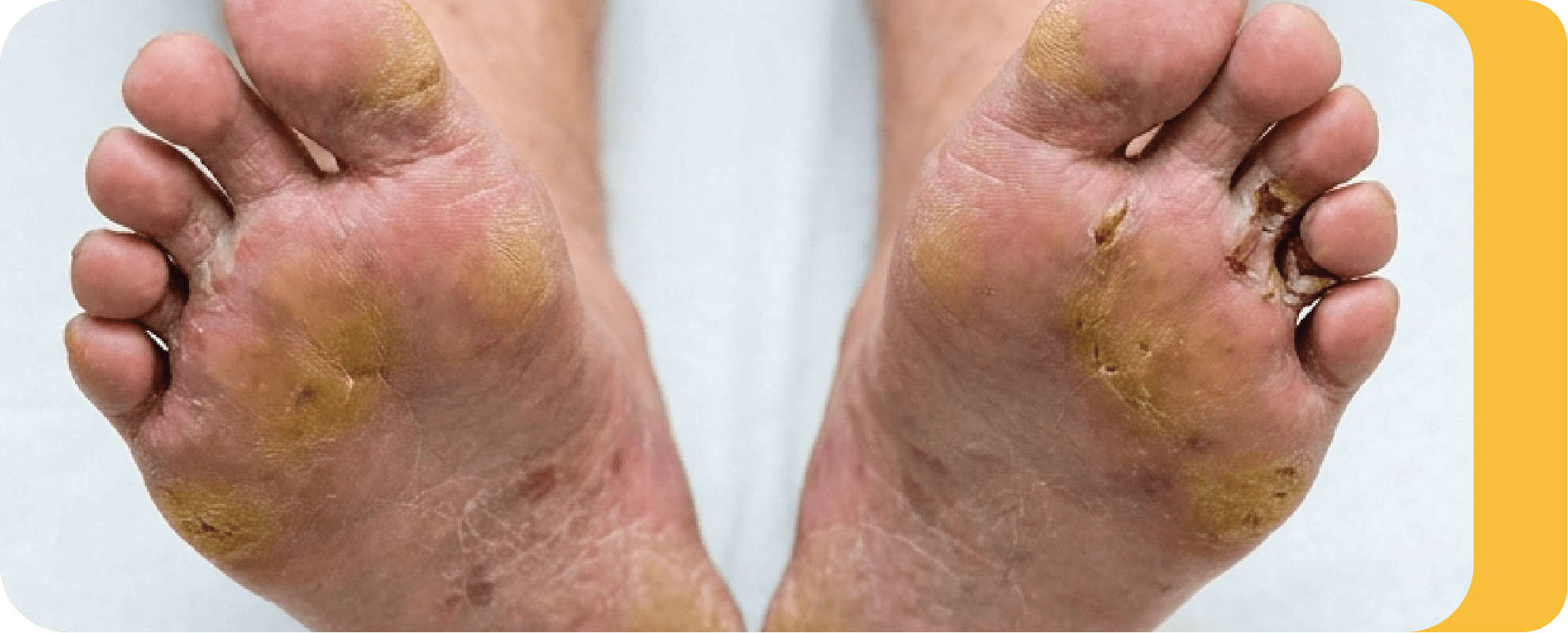
Sertaconazole is an azole antifungal indicated for the topical treatment of interdigital tinea pedis in immunocompetent adult and pediatric patients 12 years of age and older caused by Trichophyton rubrum, Trichophyton mentagrophytes, and Epidermophyton floccosum.1
An Evolutionary Azole with a dual-action mechanism.1–4
Dual-action antifungal activity1-4
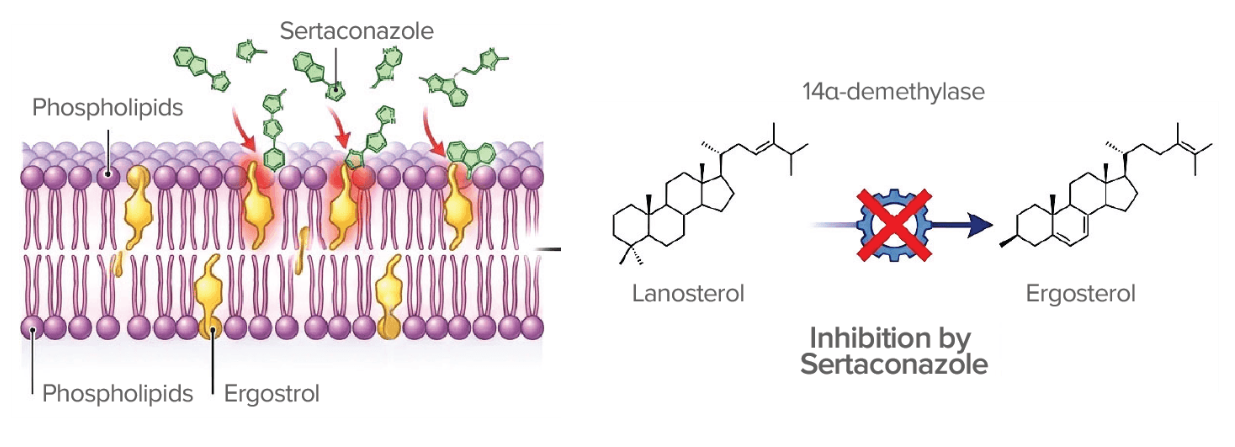
Inhibition of ergosterol synthesis
- Inhibits 14α-demethylase
- Reduces ergosterol production
- Creates membrane instability
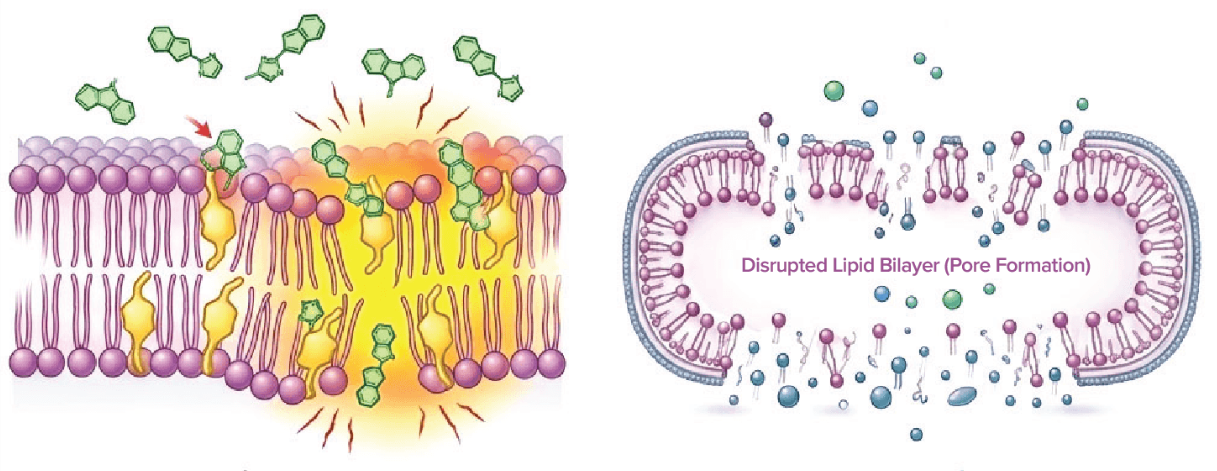
Direct membrane damage
- Binds non-sterol lipids
- Creates membrane pores
- Causes intracellular leakage
Fungistatic
Via ergosterol inhibition
Inhibits fungal growth by disrupting ergosterol synthesis and membrane stability.Fungicidal
Via membrane disruption
Direct membrane damage causes intracellular leakage and fungal cell death.Next-generation topical antifungal profile
Optazan® Sertaconazole combines potent antifungal activity with anti-inflammatory benefits, supporting both mycological cure and rapid symptom relief.
.png)
Broad-spectrum Antifungal5
Effective against dermatophytes, yeasts and molds.
.png)
Dual Mechanism1-4
Targets fungi in two ways for superior efficacy and lower resistance risk.
.png)
Rapid Symptom Relief6,7
Early reduction in pruritus, erythema and scaling.
.png)
Anti-inflammatory Benefit8
Reduces inflammatory signs; useful in symptomatic tinea pedis.
.png)
Excellent Safety Profile9
Minimal systemic absorption and very low irritation.
Who are eligible for treatment with Optazan®?
Clinical comparison by comparator
Select a comparator to review the relevant evidence. Charts are shown compactly; click any chart to open a larger view.
Sertaconazole vs. Clotrimazole
In tinea pedis treatment, Sertaconazole 2% topical cream demonstrated superior efficacy compared with Clotrimazole 1% topical cream, with greater improvement in clinical signs and symptoms11
* Efficacy was assessed based on clinical cure (more than 2-point reduction in total composite score) and mycological cure (negative KOH test).Sertaconazole vs. Miconazole
Sertaconazole 2% topical cream provides better efficacy and tolerability compared with Miconazole 2% topical cream.12
Sertaconazole 2% demonstrated higher fungicidal activity in in-vitro studies with tested imidazoles.12
* Efficacy endpoint: Overall Physician Global Assessment (PGA), based on clinical cure (resolution of clinical signs and symptoms) and negative mycology.
Sertaconazole vs. Terbinafine
Sertaconazole 2% topical cream demonstrated faster mycological cure, better pruritus and erythema reduction, and an improved safety profile compared with Terbinafine 1% topical cream.13
*P-value = 0.05 (borderline)Table of comparison
A clinical overview of mechanism, efficacy, and safety across major topical antifungal options.
| Parameter | Optazan® Sertaconazole 2% | Terbinafine 1% | Miconazole 2% | Clotrimazole 1% |
|---|---|---|---|---|
| Mechanism | Ergosterol inhibition + direct membrane damage | Squalene epoxidase inhibition | Ergosterol inhibition | Ergosterol inhibition |
| Antifungal spectrum | Broad spectrum; dermatophytes, Candida, Gram-positive bacteria | Strong dermatophyte activity | Broad antifungal and anti-yeast | Broad antifungal |
| Clinical efficacy | Superior or comparable efficacy with faster symptom resolution | Excellent dermatophyte clearance | Effective in candidiasis and superficial mycoses | Effective and widely used standard therapy |
| Mycological cure | Faster and higher cure rates reported in several comparative studies | High cure rate, especially in dermatophyte infections | Good cure rates | Good cure rates |
| Pruritus relief | Strong antipruritic and anti-inflammatory effect | Moderate symptom relief | Moderate relief | Moderate relief |
| Common adverse effects | Mild erythema, dryness, transient burning, rare dermatitis | Burning, irritation, itching | Irritation, redness, contact dermatitis | Mild burning, irritation |
| Resistance potential | Low reported resistance; active against some azole-resistant strains | Low resistance in dermatophytes | Some emerging resistance reports | Resistance observed in prolonged/recurrent infections |
| Additional advantages | Anti-inflammatory, antipruritic, prolonged skin retention, fungicidal action among azoles | Shorter treatment duration and once-daily dosing | Useful for Candida infections | Cost-effective and extensively studied |
| Dermal retention | High lipophilicity; prolonged stratum corneum retention | Reservoir effect | Moderate | Moderate |
Strong safety profile and minimal systemic exposure
Strong Safety Profile
Optazan® Sertaconazole is generally well tolerated, with adverse effeMost common adverse reactions observed in clinical trials (incidence >2%) were contact dermatitis, dry skin, burning skin, application site skin tenderness.1
Minimal Systemic Absorption
Studies consistently show undetectable plasma concentrations following topical administration, significantly reducing the risk of systemic toxicity and drug interactions.3
Simple topical administration
Apply twice daily for 4 weeks.1
Apply Optazan® cream 2% to the affected and immediate surrounding area(s).
- ERTACZO (Sertaconazole) [package insert].
- Carrillo-Muñoz AJ, et al. Sertaconazole: an antifungal agent for the topical treatment of superficial candidiasis. Expert Rev Anti Infect Ther. 2013 Apr;11(4):347-58.
- Croxtall JD, Plosker GL. Sertaconazole: a review of its use in superficial mycoses. Drugs. 2009;69(3):339–359.
- Agut J, et al. Inhibition of ergosterol synthesis by sertaconazole in Candida albicans. Arzneimittelforschung. 1992;42(5A):718–720.
- Carrillo-Muñoz AJ, et al. Sertaconazole nitrate shows fungicidal and fungistatic activities against Trichophyton rubrum… Antimicrob Agents Chemother. 2011 Sep;55(9):4420-1.
- Kircik LH. Observational evaluation of sertaconazole nitrate cream 2% in the treatment of pruritus related to tinea pedis. Cutis. 2009 Nov;84(5):279-83.
- Sharma A, et al. Efficacy and tolerability of sertaconazole nitrate 2% cream vs. miconazole in patients with cutaneous dermatophytosis. Mycoses. 2011;54(3):217-22.
- Liebel F, et al. Anti-inflammatory and anti-itch activity of sertaconazole nitrate. Arch Dermatol Res. 2006;298(4):191-9.
- Khondker L. Efficacy and safety of sertaconazole in the treatment of dermatophytoses. J Pak Assoc Dermatol. 2021 Mar 4;31(1):42-50.
- Chatterjee D, et al. Efficacy and tolerability of topical sertaconazole versus topical terbinafine… Indian J Pharmacol. 2016;48(6):659-664.
- Ghafoor R, Batool H, Shafi S, et al. Comparison of Efficacy of Sertaconazole Nitrate Cream 2 Percent vs Clotrimazole 1 Percent for the Treatment of Tinea Pedis. Indus Journal of Medicine Research. 2025;11(3):316–321.
- Sharma A, Saple DG, Surjushe A, et al. Efficacy and tolerability of sertaconazole nitrate 2% cream vs. miconazole in patients with cutaneous dermatophytosis. Mycoses. 2011;54(3):217–222.
- Borgohain M, Elango P, Chellathai D. Comparative study of the efficacy and safety of topical sertaconazole versus topical terbinafine in the treatment of dermatophytoses in a tertiary care centre. Int J Basic Clin Pharmacol. 2016;5:855–861.